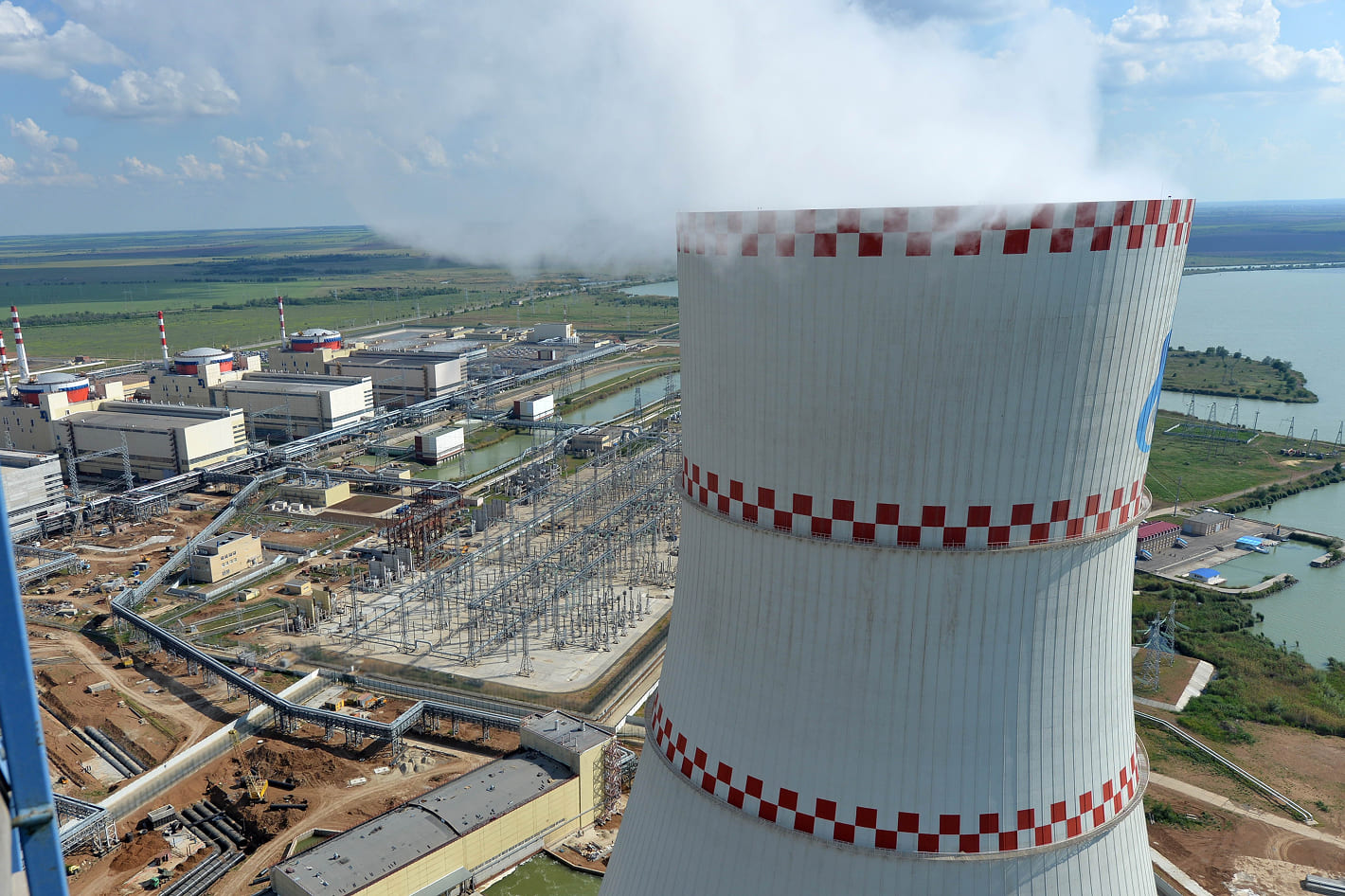
Industrial equipment monitoring and diagnostic systems
JSC Rosatom Service provides Rosatom’s comprehensive offering for the implementation and maintenance of advanced industrial equipment monitoring and diagnostics systems for enterprises both within and beyond the nuclear industry. As part of its technology replication strategy, the company has established partnerships with a number of leading Russian and international manufacturers of diagnostic and measuring equipment.
Fields of application

Nuclear industry

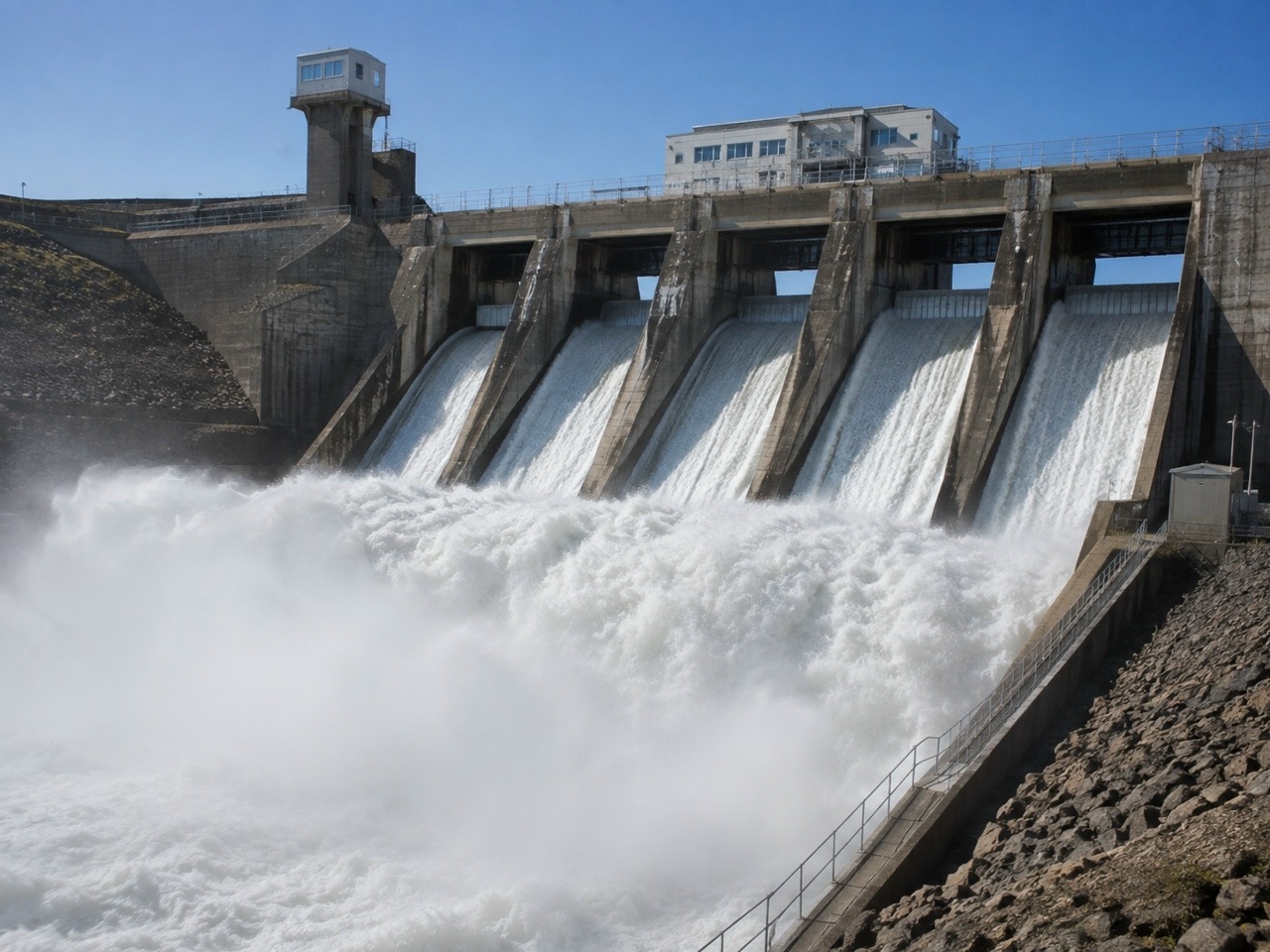
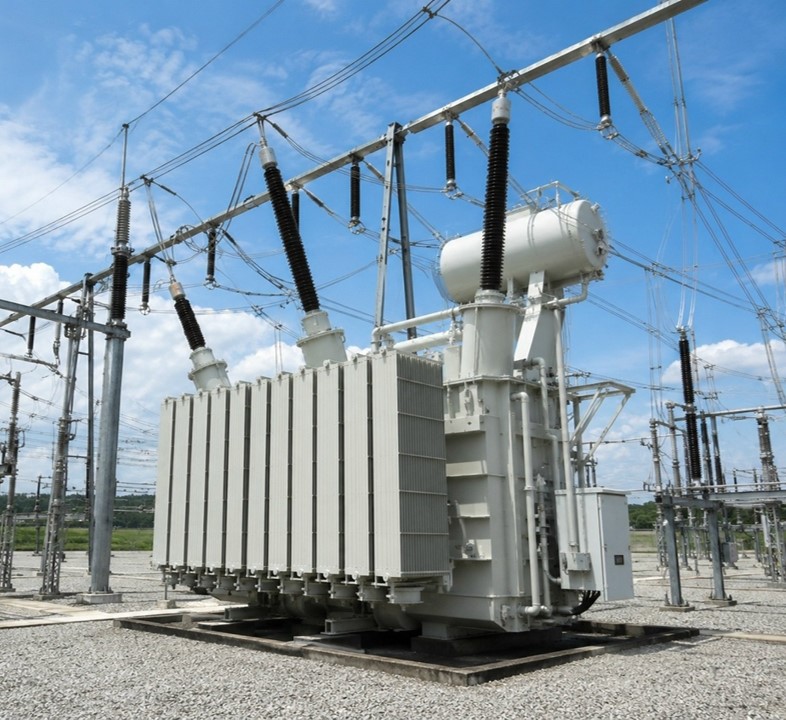
Electric power industry

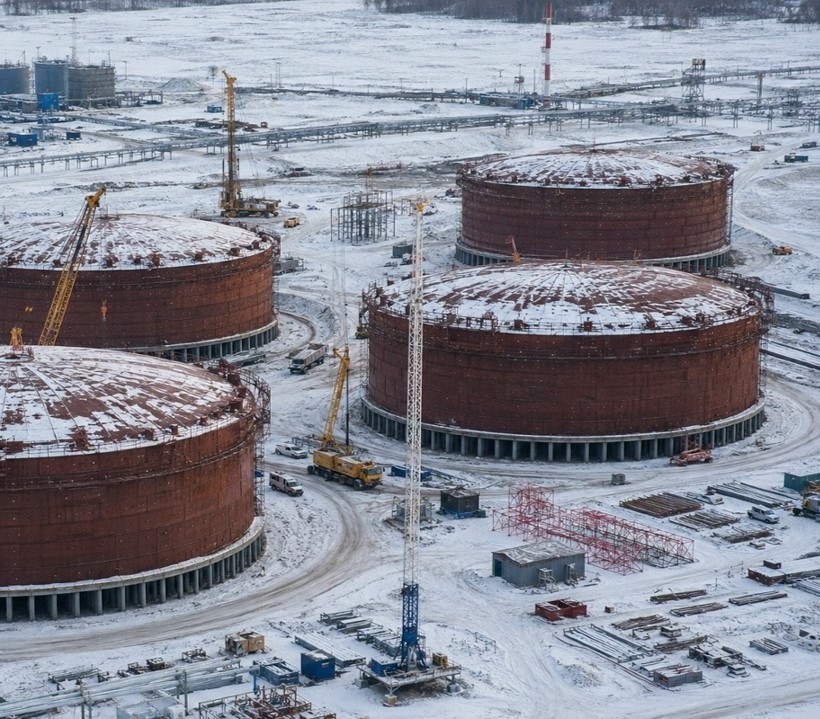
Oil and gas industry

Mining and metallurgical industries

Chemical industry

Heavy industry
Integration benefits
Accident prevention
Diagnostics and early-stage defect detection.

Cost optimization
Transition to condition-based maintenance.

Lifetime prediction and resource management

Increased efficiency
Minimizing losses from unplanned downtime.

Objective equipment condition assessment
Eliminating human bias from reporting.

Our solutions include:
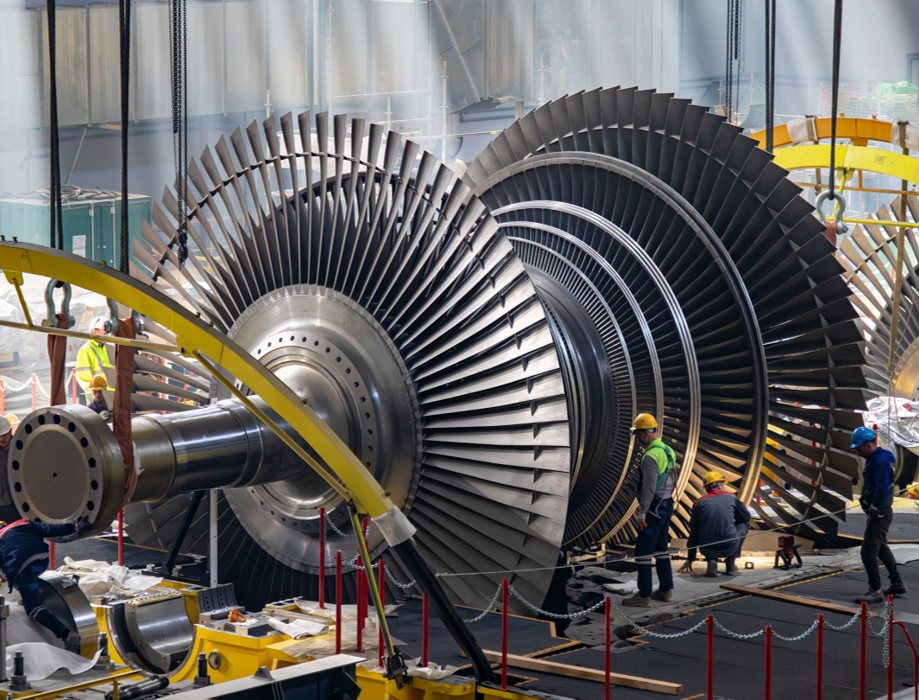
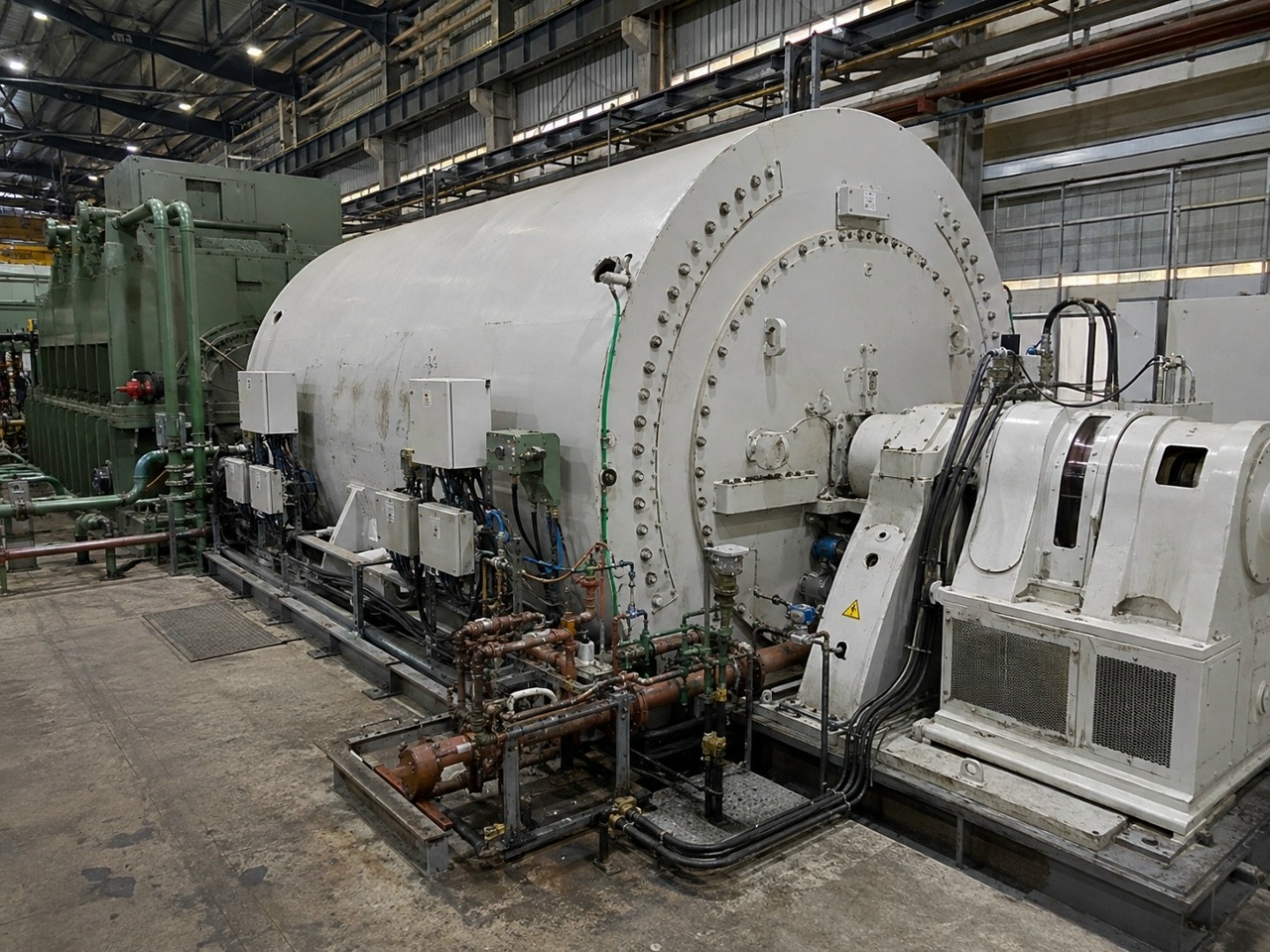
Vibration diagnostics systems for rotating equipment
The systems perform high-precision analysis of vibration parameters, rotational speed, and torsional vibrations, enabling early-stage defect detection (imbalance, bearing wear, etc.).
Applicable for:
- Power generation: all types of turbines (steam, gas, hydro) and generators.
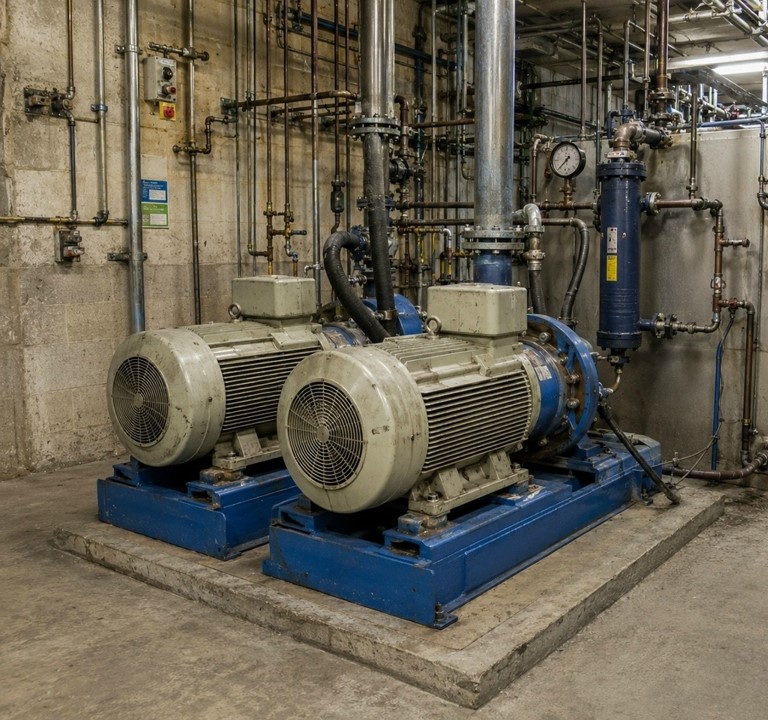
- Pump and compressor fleets: mainline pumps, compressors, blowers, and turbomachinery units.
- Heavy industry: gearboxes, rolling mill drives, mills, crushers, cranes, and centrifuges.
- Ventilation equipment: large-scale induced-draft fans, exhausters, and industrial ventilation systems.
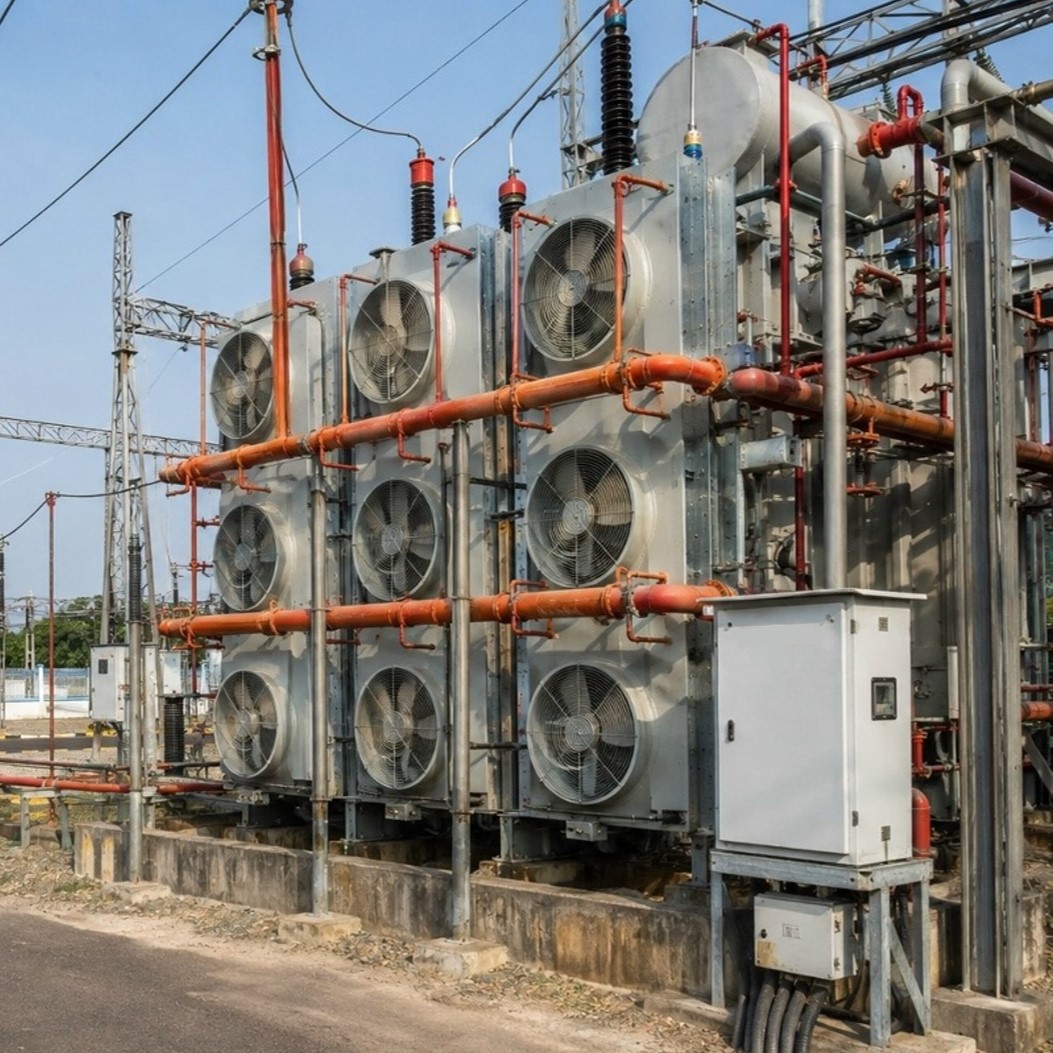
Gas measurement systems
The gas analysis systems continuously monitor the composition of media, preventing accidents, detecting insulation defects, and ensuring compliance with safety standards.
Applicable for:
- Power generation: power transformers, reactors, gas-insulated switchgear (GIS), and high-voltage circuit breakers.
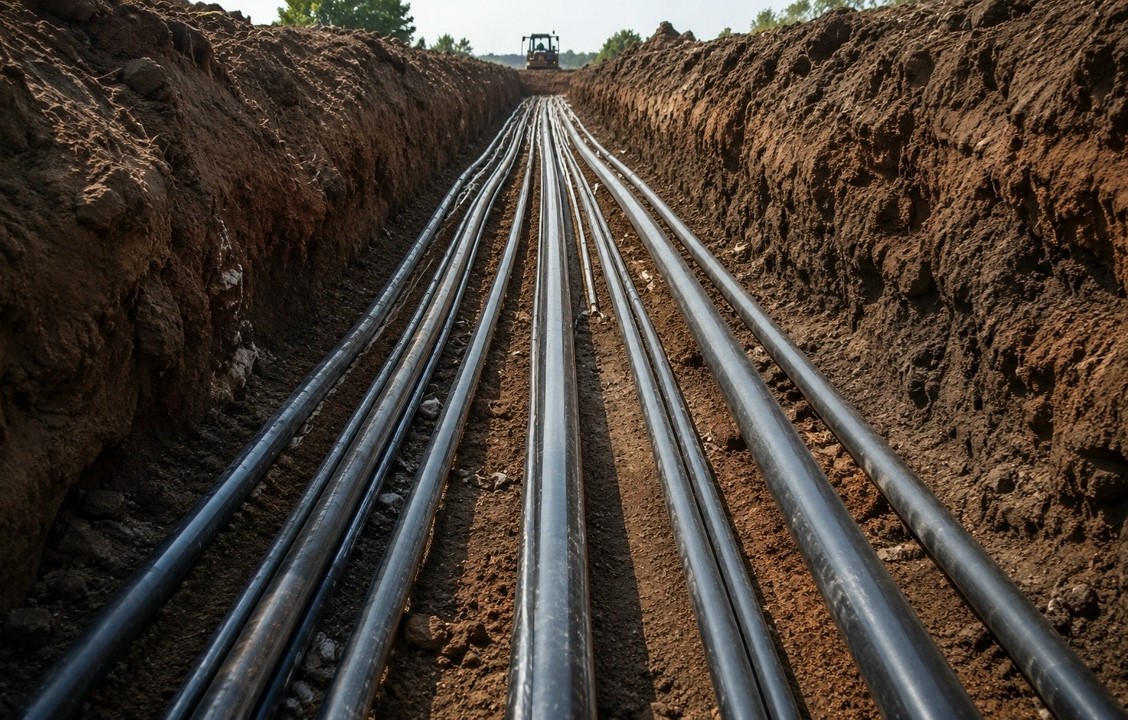
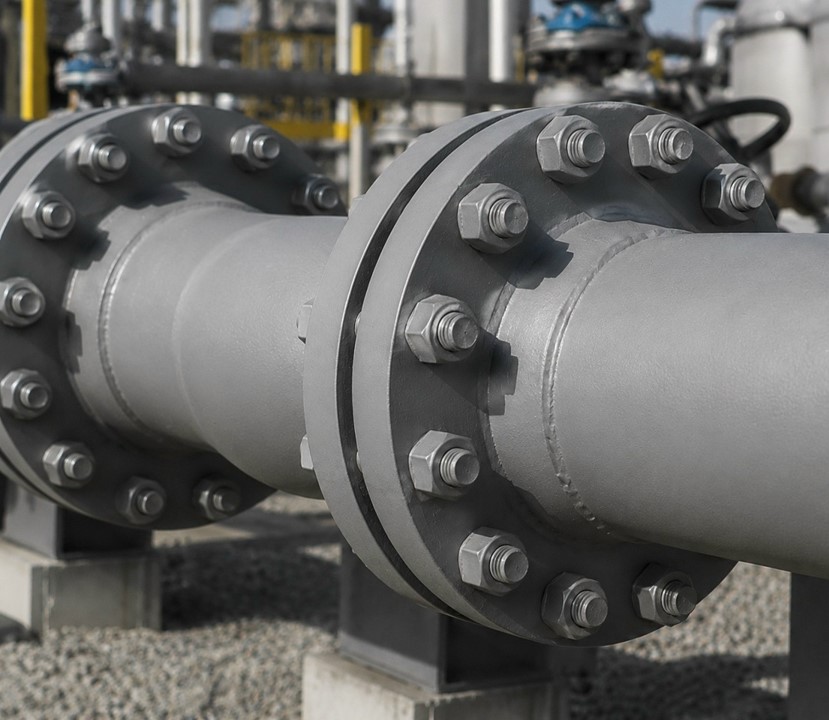
- Oil & gas and chemical industry: tank farms, process pipelines, and processing areas.
- Power generation (auxiliary): turbogenerator cooling systems and battery rooms.
- Safety applications: enclosed pumping stations, underground facilities, and mines.
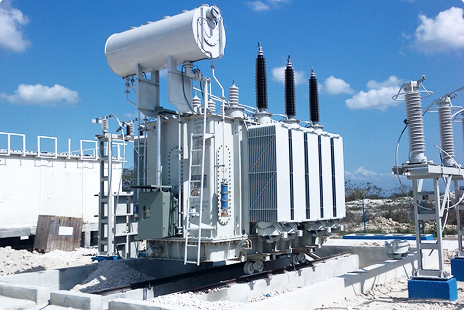
Electrical parameter monitoring systems
The electrical monitoring systems track partial discharges and magnetic fields for early detection of insulation defects. This prevents accidents on power transmission lines and at substations, eliminating the risk of breakdowns.
Applicable for:
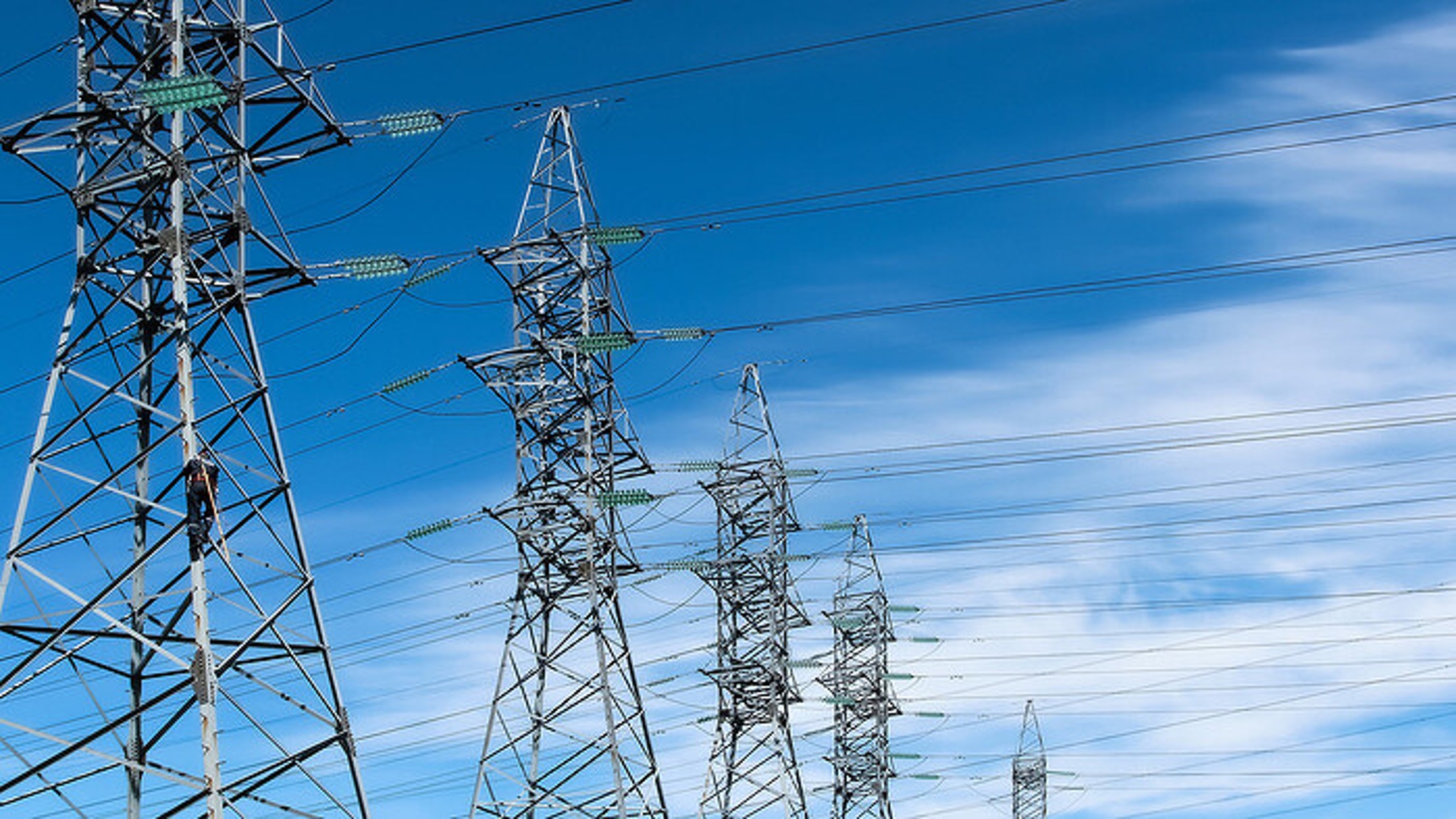
- High-voltage lines: overhead and cable transmission lines, cable joints, and insulators.
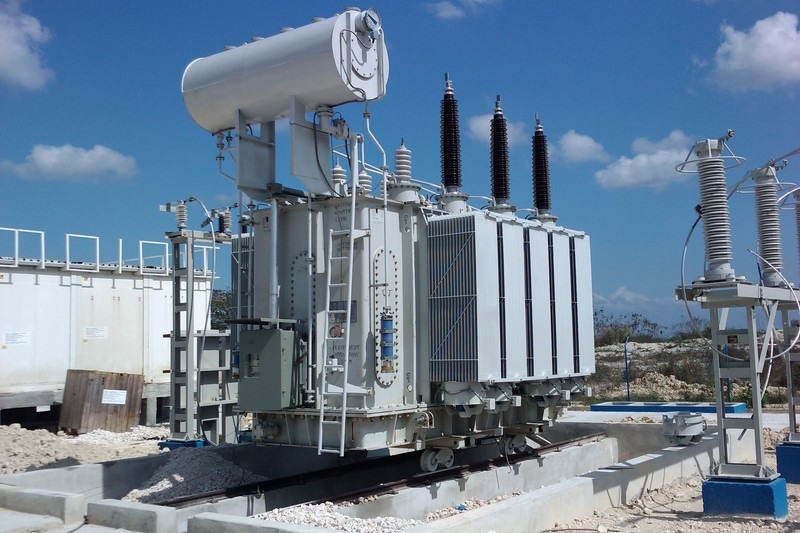
- Transformer fleets: power, unit, and instrument transformers, as well as autotransformers.
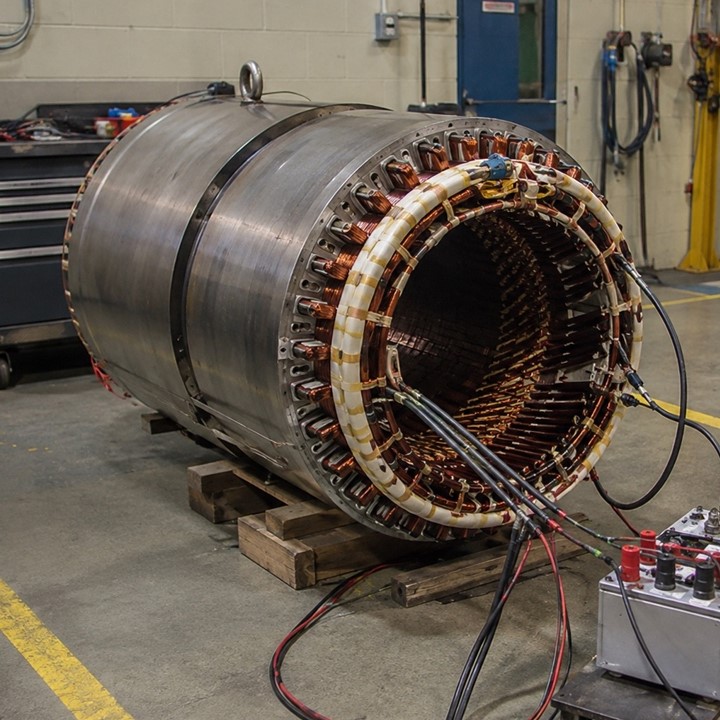
- Rotating machines: stators of large generators (turbogenerators, hydrogenerators) and high-voltage electric motors.
- Switchgear: gas-insulated switchgear (GIS), metal-enclosed switchgear cubicles, high-voltage circuit breakers, and busbar bridges.
Temperature monitoring systems
The thermal monitoring systems track the condition of infrastructure components, enabling safe operation at maximum capacity, preventing fires, and extending equipment service life.
Applicable for:
- Electric power industry: windings of power transformers, high-voltage cable lines, GIS, and busducts.
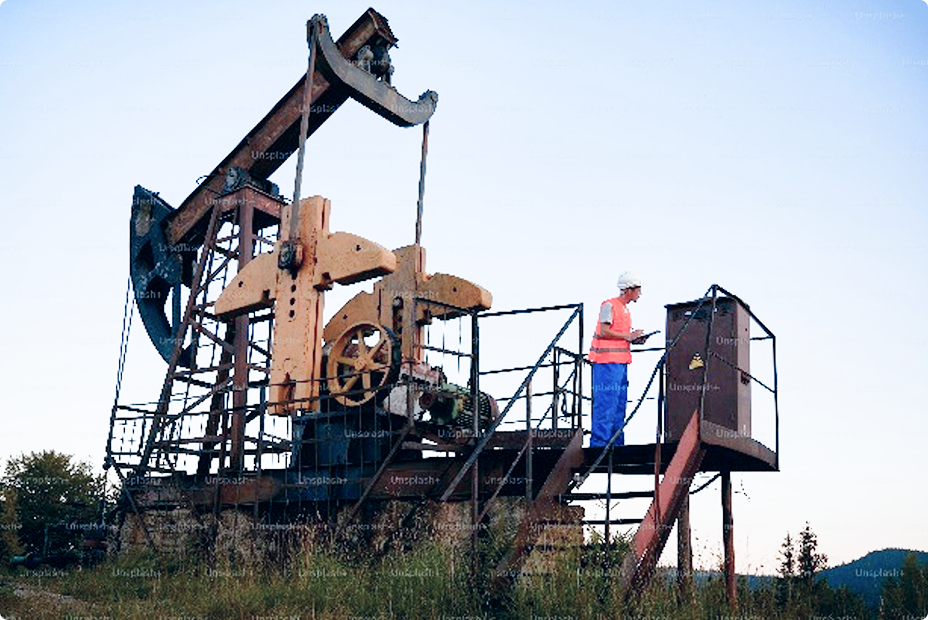
- Oil & gas sector: process pipelines (viscosity and solidification monitoring), oil heaters.
- Industrial applications: drying furnaces, reactors, high-power electric motors.
- Transportation: temperature monitoring in tunnels and condition monitoring of overhead contact systems.
Other types of monitoring
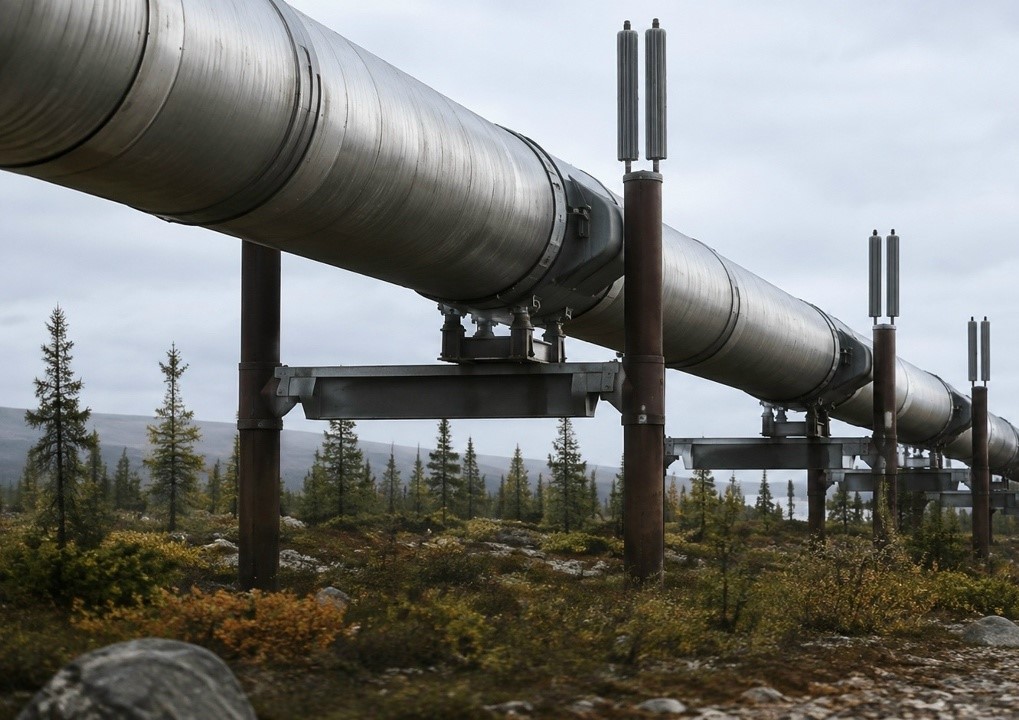
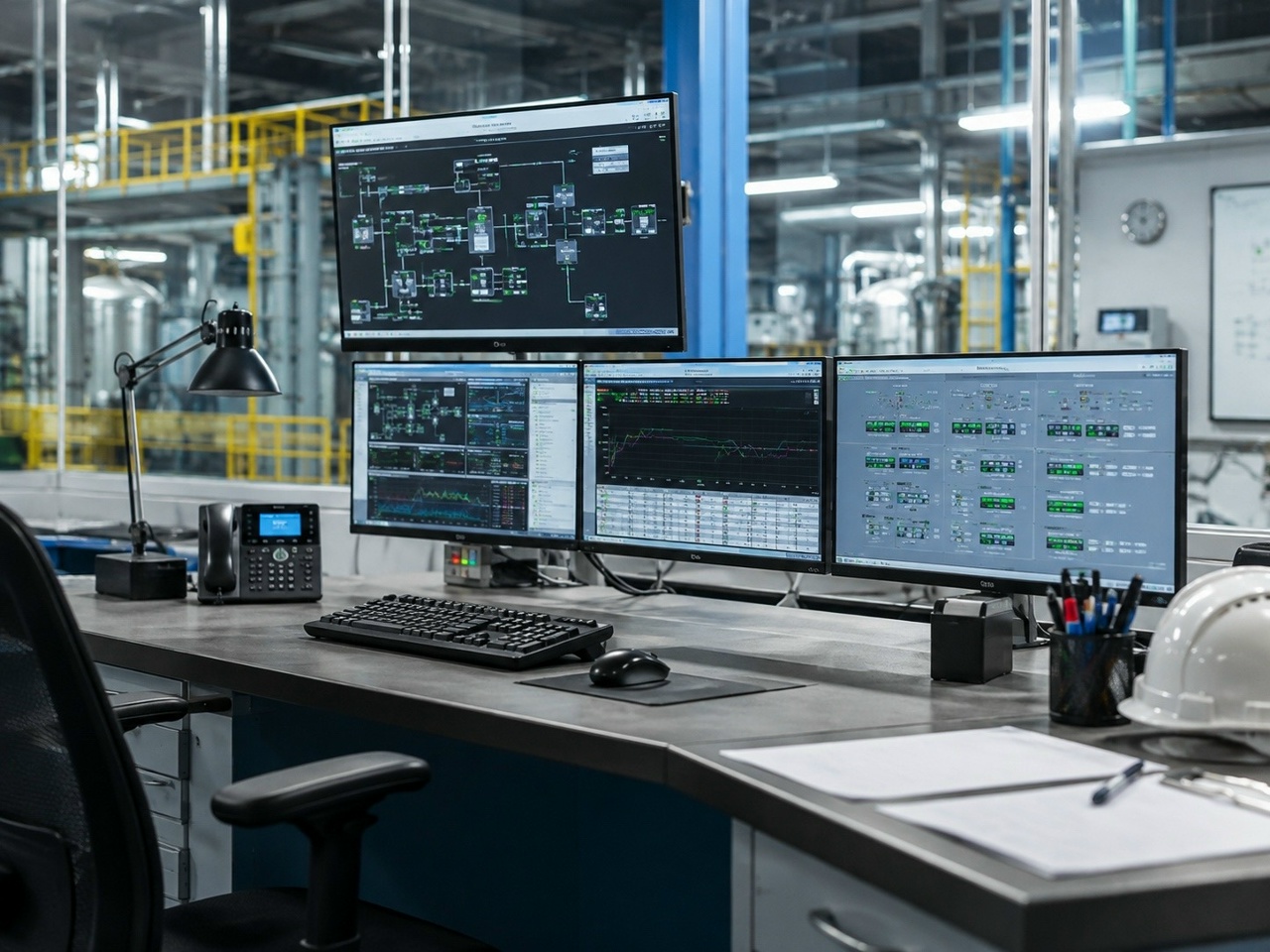
The geotechnical and structural monitoring systems track the condition of structures, pipelines, and permafrost soils, preventing deformations and accidents at complex infrastructure facilities.
Applicable for:
- Power generation facilities: nuclear power plants (NPPs), thermal power plants (TPPs), and hydroelectric power plants (HPPs).
- Hydraulic engineering structures: dams, dikes/levees, bank protection works, and spillways.
- Tall structures: power transmission line towers, chimneys, cooling towers, and communication masts.
- Transport infrastructure: bridges, overpasses, tunnels, and elevated roadways.
- Facilities in permafrost zones: building foundations, well pad sites, and linear pipeline sections.
Solution examples: